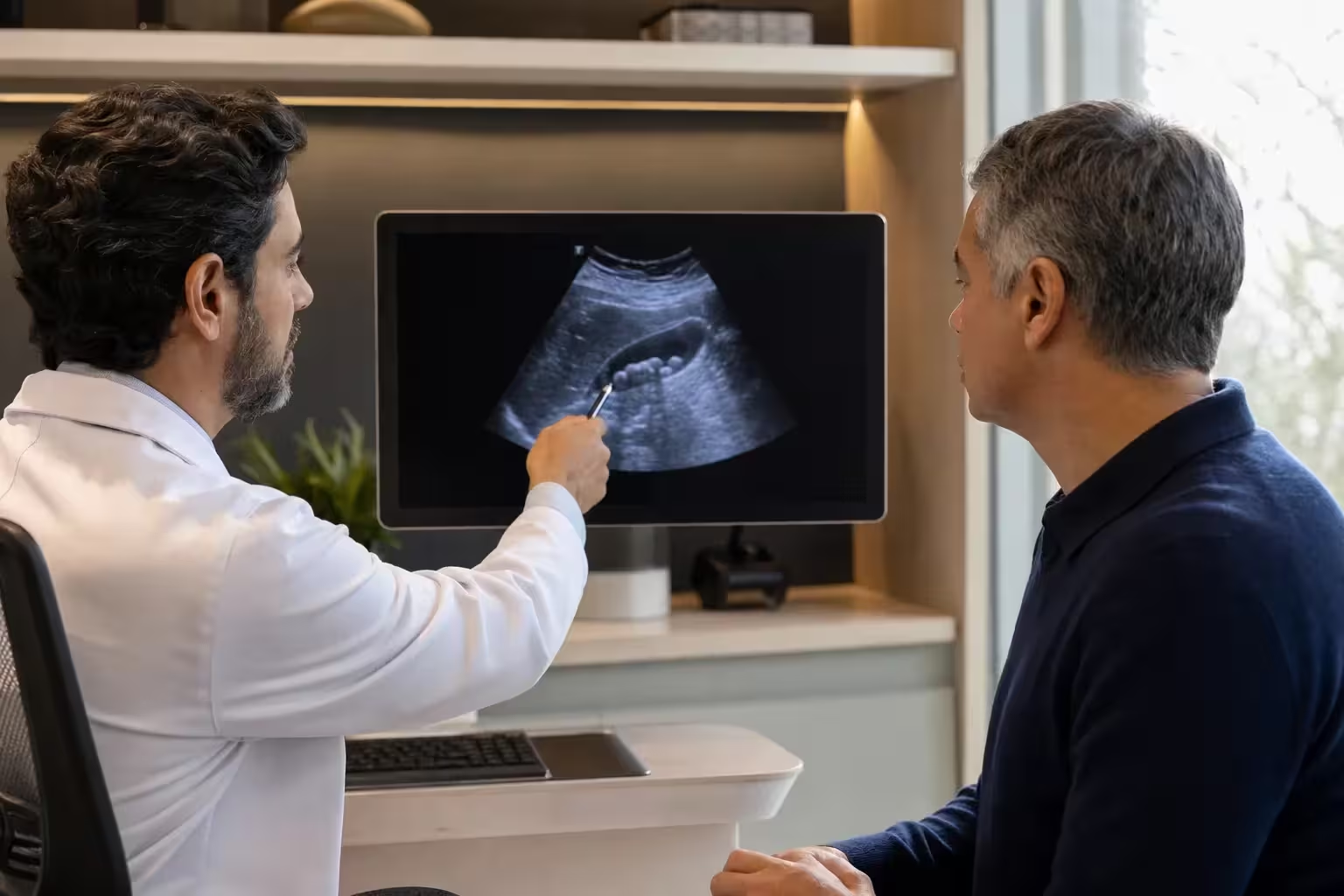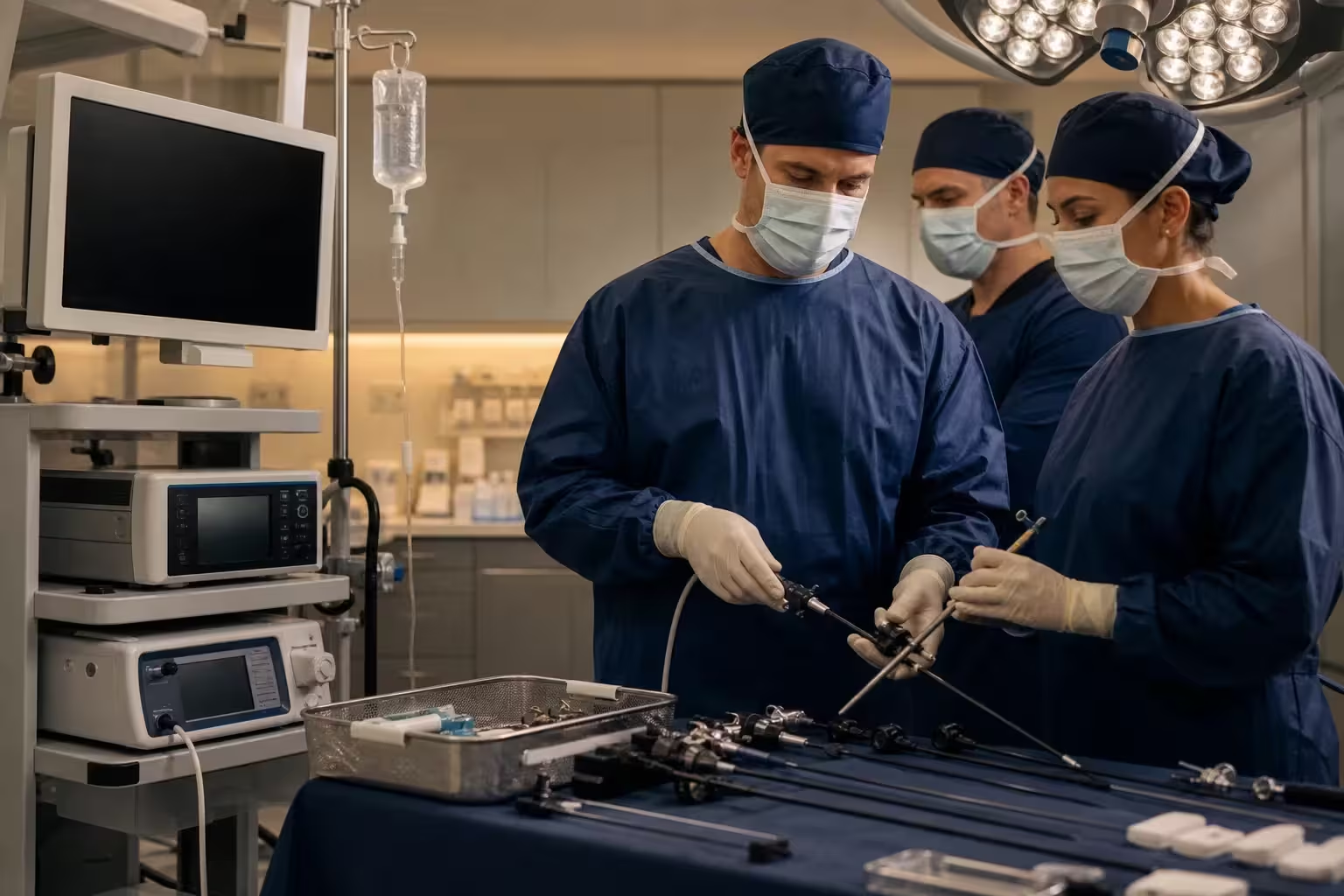
Flagship clinical area
Digestive System Surgery
Specialized evaluation and surgical care for conditions involving the digestive tract.
Diagnosis
Imaging & history
Indication
Risk vs. benefit
Technique
Open · lap · robotic
Recovery
Guided & staged

Digestive surgery with robotic precision and human care.
Specialized care in digestive system surgery, hepatobiliary and pancreatic surgery, minimally invasive procedures, and multidisciplinary follow-up.
Advanced treatment for abdominal and digestive conditions.
Technology selected only when it adds value.
Judgment before procedure-first thinking.
Clear guidance from assessment to recovery.
Trained and practicing in reference centers
Specialties
Six connected areas form the clinical foundation: careful diagnosis, precise surgical indication, and structured follow-up.
The emphasis is not on offering every possible procedure. It is on making the surgical pathway more coherent for patients facing sensitive digestive, hepatobiliary, pancreatic, or transplant-related decisions.
Flagship clinical area
Specialized evaluation and surgical care for conditions involving the digestive tract.
Diagnosis
Imaging & history
Indication
Risk vs. benefit
Technique
Open · lap · robotic
Recovery
Guided & staged
Focused planning for liver, biliary tract, and pancreatic conditions that require precision.
Robotic-assisted techniques considered case by case when they add clinical value.
Smaller-access approaches for selected patients, with responsible indication and follow-up.
Digestive surgery perspective for complex pathways that may involve transplant care.
Structured decision-making for cases that require experience, coordination, and clarity.
Multidisciplinary Care
Digestive surgery is a pathway, not a single event. The goal is to give patients a structured route from the first assessment to recovery and long-term monitoring when needed.
The plan can involve diagnostic review, clinical optimization, surgical planning, multidisciplinary coordination, and careful postoperative orientation.

Assessment
Decision
Procedure
Recovery
A careful first reading of symptoms, history, priorities, and the level of complexity involved.
Imaging, laboratory results, reports, and prior procedures are reviewed with clinical context.
The safest route is discussed, including alternatives and why a procedure may or may not be indicated.
When surgery is appropriate, technique and access are selected according to the individual case.
Postoperative guidance focuses on clarity, warning signs, and the patient’s gradual return to routine.
Coordination continues when needed, especially in complex digestive or hepatobiliary pathways.
In appropriately selected patients, robotic surgery may allow smaller incisions and support less postoperative pain and a potentially faster recovery, depending on the procedure and clinical circumstances.
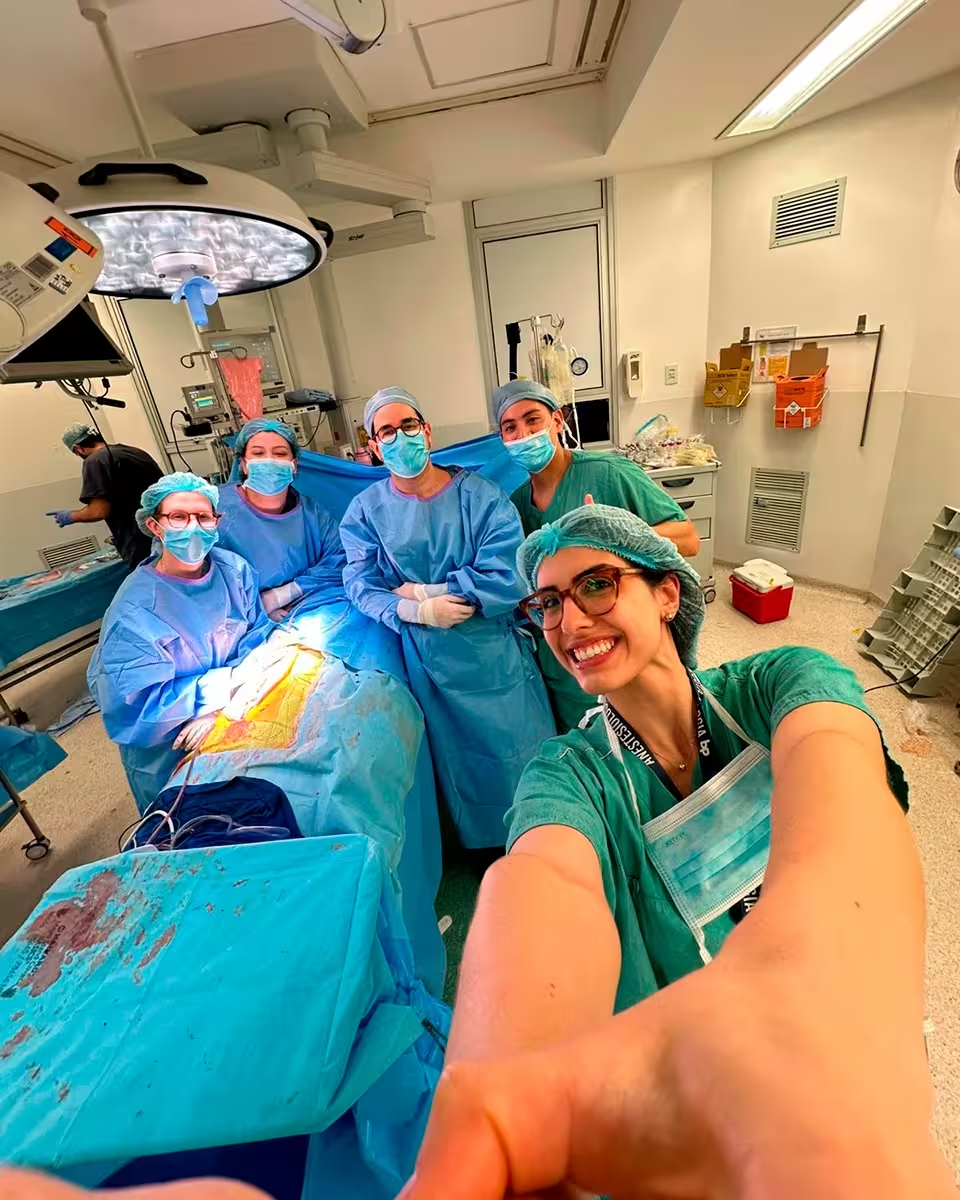
The platform translates the surgeon’s movements into refined instrument control.
A detailed operative view can support work in delicate anatomical regions.
Robotic, laparoscopic, or open access is chosen according to the specific case.
Technology supports the plan; it does not replace judgment, preparation, or follow-up.
Complex Cases
Highly complex digestive surgery often sits at the intersection of anatomy, imaging, patient condition, and timing. The work is to interpret all of it with precision and restraint.
A careful surgical recommendation should clarify risks, alternatives, and the reason behind each step.
Cases involving the liver, biliary tract, and pancreas require detailed anatomical and clinical planning.
Complex digestive symptoms and diagnoses benefit from careful evaluation before any surgical decision.
The central question is not only whether surgery is possible, but whether it is the right path.
When cases involve several specialties, the plan needs clear communication and shared direction.

Professional Profile
Dr. José David Alvarado
Digestive Surgery & Transplants
"Precision in the operating room, clarity before the decision, and human care throughout the pathway."
Trust
Dr. José David Alvarado specializes in digestive surgery and transplants, with a clinical focus on complex digestive, hepatobiliary, pancreatic, minimally invasive, and robotic procedures.
His work is positioned for patients who need careful surgical judgment, not exaggerated claims: technical precision, clear communication, and coordinated follow-up when the case requires it.
Professional registration and institutional details can be confirmed directly through the official appointment channels.
0+
Years of focused training
Digestive system surgery
0
Connected specialty areas
One coherent surgical pathway
0
Stages of follow-up
Assessment to recovery
Request in-person evaluation or online guidance to understand the next step for digestive, hepatobiliary, pancreatic, robotic, or complex surgical care.
This website provides educational information and does not replace individualized medical evaluation.
Frequently Asked Questions
General guidance for patients considering digestive surgery, robotic procedures, or multidisciplinary follow-up.
A specialist evaluation may be appropriate when symptoms persist, imaging or laboratory tests suggest digestive, liver, biliary, or pancreatic disease, or when a possible surgical indication needs careful review. Urgent or severe symptoms should be assessed without delay.
Robotic digestive surgery is a surgeon-controlled platform that can support magnified vision and precise instrument movement in selected procedures. It does not operate independently, and it is not automatically the best option for every patient.
Complex digestive cases often require coordination between diagnosis, surgical planning, clinical optimization, recovery, and long-term monitoring. A structured follow-up plan helps patients understand each step and supports clearer decisions.
The practice focuses on digestive surgery, including hepatobiliary and pancreatic conditions. These cases require individualized evaluation, careful review of exams, and, when needed, multidisciplinary coordination.
The practice is based in São Paulo, Brazil. Specific appointment location and contact details should be confirmed through the official scheduling channels.
Use the appointment request buttons on this website. If direct phone, WhatsApp, or email channels are configured, they will appear as official contact options.
Blog
A clean editorial structure for future articles on digestive surgery, robotic care, and follow-up.
Gallstones are very common and do not always require immediate surgery. Understand when they cause symptoms, what the risks are, and at what point an operation becomes indicated.
Read articleGallbladder surgery is one of the most common procedures of the digestive system. Understand how gallbladder removal is done, the preparation, the techniques, and what recovery is usually like.
Read articleFatty liver is very common and usually silent, but it can progress if left unchecked. Understand the symptoms, the risks, and when to see a specialist.
Read article