

Surgeon-controlled platform
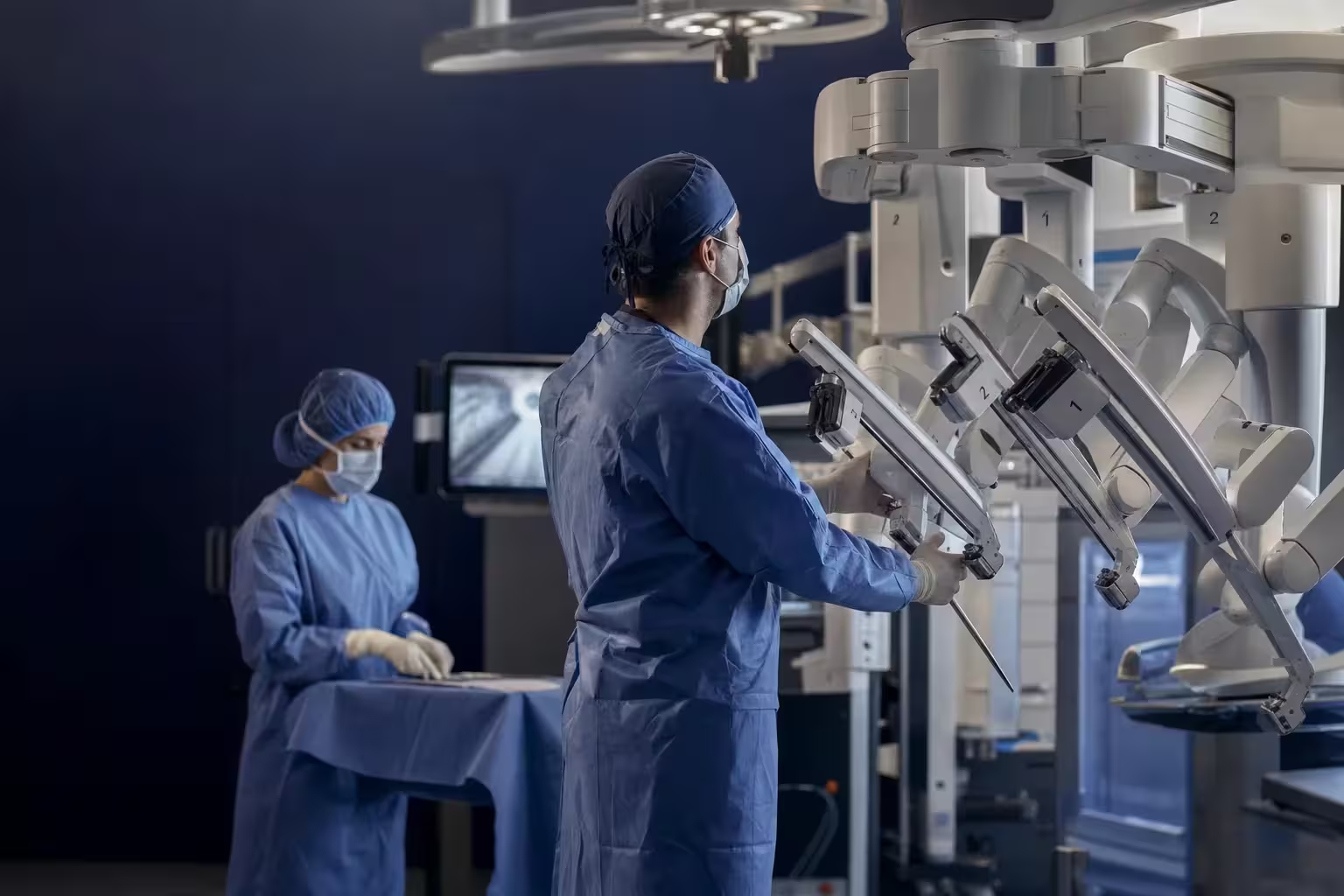
Robotic surgery does not operate independently. Every movement is controlled by the surgeon in real time.
Robotic Surgery
Robotic technology can support selected digestive procedures through refined control, magnified visualization, and minimally invasive planning.
Clinical Perspective
The question is not whether robotics is modern. The question is whether it is the right tool for this specific patient and diagnosis.
Technology
A responsible robotic program explains both the potential advantages and the limits of the technology.
Robotic surgery does not operate independently. Every movement is controlled by the surgeon in real time.
The platform can support precise movement in selected anatomical areas where delicate dissection is required.
A detailed view can help the surgeon work with more spatial awareness in complex digestive procedures.
Robotic access may be part of a minimally invasive plan when it is appropriate for the diagnosis and patient condition.
The value of robotic surgery depends on selecting the right case, not on using technology for every patient.
Technology can support more precise movements and less invasive approaches, always with responsible clinical indication.
Responsible Indication
For selected digestive, hepatobiliary, and pancreatic cases, robotic assistance may support precision and minimally invasive access. But it is not automatically the best option for every patient.
The final route should be chosen after reviewing the diagnosis, imaging, patient condition, expected technical needs, and available alternatives.
Decision Framework
The decision is clinical before it is technological. Each case should pass through a clear review before choosing the operative route.
The starting point is the condition being treated and whether surgery is truly indicated.
Robotic, laparoscopic, and open approaches are considered according to anatomy, complexity, and patient factors.
The surgical plan includes expected benefits, limitations, risks, and postoperative care.
Robotic surgery does not eliminate risk or guarantee faster recovery. Expectations are discussed responsibly.
Next Step
Request a specialized evaluation to review diagnosis, imaging, alternatives, and the safest surgical route.