

Gallbladder surgery: how it's done and how long recovery takes
How gallbladder surgery (cholecystectomy) is done: preparation, laparoscopic and robotic techniques, the hospital stay, and how long recovery takes.
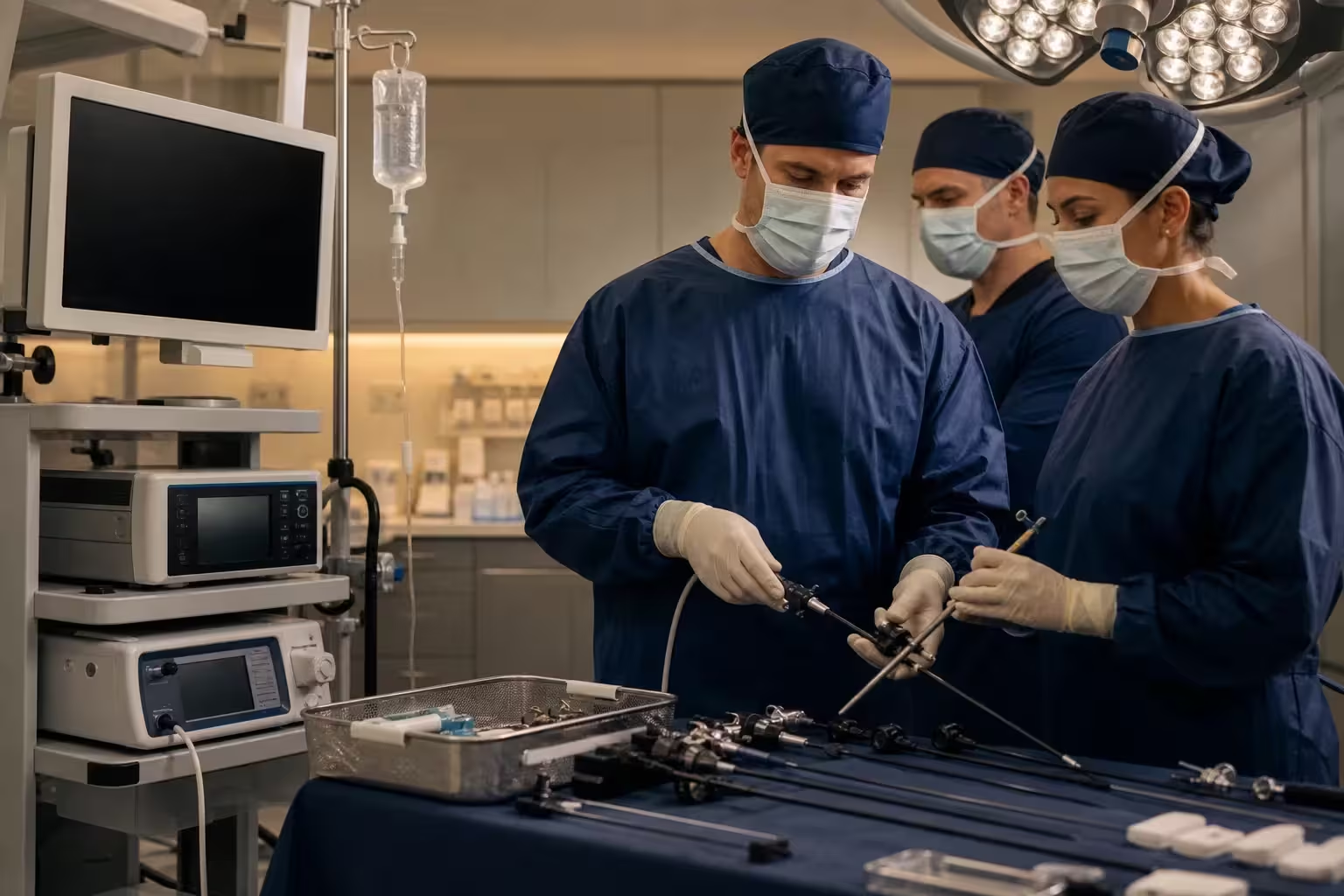
Gallbladder surgery is one of the most frequently performed procedures in digestive surgery and, in most cases, definitively resolves the problems caused by stones and other gallbladder diseases. Also known as gallbladder removal or cholecystectomy, this operation tends to raise many questions: how it is done, whether it hurts, how long the hospital stay lasts, and, above all, how long recovery takes. This text gathers, in a clear and responsible way, the main information about laparoscopic gallbladder surgery and other techniques, the preparation, the step by step, and the recovery period — always remembering that no reading replaces an individual assessment by a physician.
What gallbladder surgery (cholecystectomy) is
Cholecystectomy is the surgery that removes the gallbladder, a small pear-shaped organ located just below the liver, on the right side of the abdomen. The gallbladder stores and concentrates bile, a fluid produced by the liver that helps digest fats, releasing it into the intestine especially after fattier meals. One important point often surprises patients: in gallbladder surgery, it is not just the stone that is removed, but the whole organ. This is because a gallbladder that has already formed stones tends to form new ones, so removing only the stones would lead to a recurrence of the problem. Removing the entire gallbladder is therefore the definitive treatment for most of the diseases that affect it, and it is one of the reasons the operation resolves the condition rather than merely relieving it temporarily.
When gallbladder removal is indicated
Gallbladder surgery tends to be indicated in different situations, always assessed case by case. Among the most frequent reasons are:
- Gallstones (cholelithiasis) that cause symptoms, such as repeated episodes of biliary colic.
- Acute cholecystitis, an inflammation of the gallbladder that usually requires surgical treatment.
- Gallbladder polyps with features or size that raise concern.
- Previous complications, such as biliary pancreatitis or migration of a stone into the bile ducts.
- Specific changes in the gallbladder wall assessed by the surgeon.
In people without symptoms, the decision to operate should be individualized. Not every asymptomatic stone requires immediate surgery, and follow-up may be a reasonable alternative in selected cases. The ideal is to discuss the indication with a digestive system surgeon, who will review the imaging, the history, and the expectations of each patient.
How to prepare for surgery
Preparation for gallbladder surgery begins at the consultation, when the surgeon reviews the imaging studies, requests laboratory tests and, when necessary, refers the patient for a cardiology or other specialty assessment. This care helps plan the procedure safely and identify conditions that deserve attention before the operation. Among the common instructions in the preoperative period are:
- Report all medications in use, including anticoagulants and supplements, since some may need to be adjusted.
- Communicate allergies, chronic diseases, and previous surgeries.
- Follow the fasting period indicated by the team before anesthesia.
- Arrange for a companion and transportation for the day of discharge.
- Clarify all questions about the procedure and the postoperative period with the team.
Techniques: laparoscopic, robotic, and open surgery
There are different ways to perform a cholecystectomy. The choice depends on the clinical picture, the condition of the gallbladder, and the surgical team's assessment. Knowing the techniques helps you understand what to expect.
Laparoscopic gallbladder surgery (video surgery)
In the vast majority of cases, gallbladder surgery is done by laparoscopy, a minimally invasive technique. Instead of a large incision, small openings are made in the abdomen, through which a micro-camera and delicate instruments are introduced. The surgeon follows the procedure on a high-definition monitor. This approach usually provides less postoperative pain, smaller scars, and a faster return to activities compared with open surgery.
Robotic surgery
In selected situations, surgery may be performed with the help of robotic platforms, which offer three-dimensional vision and precise instrument movements. The robotic technique is an evolution of laparoscopy, and its indication is individualized, considering the characteristics of the case and the availability of resources. It is not a superior technique for all patients, but rather one more tool the surgeon may use when deemed appropriate.
Open surgery
Open surgery, with a larger incision, is reserved for particular cases — for example, when there is intense inflammation, adhesions from previous operations, or technical difficulties that make the video approach less safe. In some cases, a surgery that started laparoscopically may be converted to open during the procedure; this does not represent a failure, but a safety decision made by the team for the patient's benefit.
How the surgery is done, step by step
Although each case has its particularities, laparoscopic gallbladder surgery generally follows a few stages. The aim of this description is only to illustrate the process in simple language, without replacing your surgeon's explanations:
- After anesthesia, the abdomen is prepared and the small incisions are made.
- A gas is introduced to create space and allow proper visualization of the organs.
- The camera and instruments are positioned, and the surgeon carefully identifies the gallbladder and neighboring structures.
- The channels and vessels connected to the gallbladder are identified and handled with care to preserve the bile ducts.
- The gallbladder is carefully separated from the liver and removed through one of the incisions.
- At the end, the incisions are closed, usually with stitches or discreet dressings.
Anesthesia and hospital stay
Gallbladder surgery is performed under general anesthesia, which means the patient stays asleep and free of pain throughout the procedure, closely monitored by the anesthesia team. The duration of the operation varies according to the complexity of the case. The length of the hospital stay is also individual: in many cases of uncomplicated video surgery, the hospital stay is short, with discharge in a short time, while more complex situations may require longer observation. The team defines the moment of discharge based on each patient's progress.
Gallbladder surgery recovery: what to expect
Recovery from laparoscopic gallbladder surgery is usually faster than from open surgery, with less pain and an earlier return to activities. Even so, each body responds differently, and recovery time depends on the clinical picture, the presence of previous complications, the technique used, and the team's instructions. In the first few days, it is common to feel some abdominal discomfort, a sensation of bloating and, sometimes, shoulder pain, related to the gas used during laparoscopy, which the body gradually reabsorbs.
In general, frequent postoperative instructions include walking early and moderately to support circulation, staying well hydrated, respecting the schedule of prescribed medications, and avoiding intense effort until medical clearance. Resuming activities progressively, respecting the body's signals, tends to make recovery more comfortable.
Diet after surgery
After the gallbladder is removed, bile flows continuously from the liver into the intestine instead of being stored. For this reason, many people notice, in the first weeks, greater sensitivity to very fatty or large meals. In general, it is recommended to resume eating gradually, starting with light, easy-to-digest preparations, and to reintroduce foods according to tolerance. Over time, the body tends to adapt, and most people return to a varied diet. Some guidance often helps during this phase:
- Favoring smaller, more frequent meals at first.
- Temporarily reducing fried and very fatty foods.
- Gradually increasing the intake of fiber, fruits, and vegetables.
- Maintaining good hydration throughout the day.
- Observing how the body reacts to each food and adjusting according to tolerance.
Return to work and exercise
The return to activities depends on the type of work, the surgical technique, and individual recovery. People with lighter activities tend to return to work sooner than those whose daily routine involves intense physical effort or heavy lifting. Likewise, the return to exercise should be progressive: light activities such as walking tend to be cleared earlier, while higher-impact exercise, abdominal work, and heavy lifting usually wait for a longer healing period. All of this guidance should be confirmed with the surgeon, who knows the details of your case.
Possible complications
Cholecystectomy is a widely performed surgery and, in most cases, proceeds without incident. Like any surgical procedure, however, it is not free of risks. Knowing the possibilities helps you value follow-up and recognize signs that deserve attention. Among the possible complications, although not frequent, are bleeding, infections, injuries to the bile ducts or neighboring structures, and reactions related to anesthesia. Careful preoperative assessment and the team's experience help reduce these risks, but no surgery can be considered completely free of them.
Life without a gallbladder
A very common question is whether it is possible to live well without a gallbladder. The answer is yes. The gallbladder is an auxiliary digestive organ, not essential to life. After removal, the body adapts and bile continues to play its role, flowing directly from the liver into the intestine. Most people lead a normal life without important restrictions and, once the initial recovery is over, do not need to organize their routine around the surgery. Some may notice, temporarily, changes in the digestion of fatty foods, which usually improves over time and with dietary adjustments. A small number of people report looser stools after fattier meals in the early period, and this too tends to settle as the body adjusts. Maintaining healthy habits supports this adaptation and digestive health in general.
Warning signs after surgery
During recovery, some signs indicate that you should contact the team or seek care. Being attentive to them helps you act quickly when necessary:
- Persistent fever or chills.
- Strong abdominal pain that increases instead of improving.
- Yellowing of the eyes or skin (jaundice), very dark urine, or pale stools.
- Redness, drainage, or significant swelling at the incisions.
- Persistent nausea and vomiting that prevent eating.
When any of these signs appear, the most prudent course is to seek medical assessment without delay, following the instructions provided at discharge.
Frequently asked questions about gallbladder surgery
Does gallbladder surgery hurt a lot?
The surgery is performed under general anesthesia, without pain during the procedure. Afterward, it is common to feel some discomfort, usually controlled with the prescribed medications. With the video technique, pain tends to be less than with open surgery, and it tends to decrease in the first few days.
Can only the stone be removed while keeping the gallbladder?
This is not the usual approach. Because a gallbladder that forms stones tends to form new ones, removing only the stone would lead to recurrence. For this reason, treatment consists of removing the entire gallbladder.
Will I need a diet forever?
In most cases, no. Caution with fats is usually recommended in the first weeks, but as the body adapts, most people return to a varied diet. Keeping balanced habits is beneficial for health in general.
How long does gallbladder surgery recovery take?
With video surgery, many people return to light activities within a few days, with specific guidance for greater exertion. The exact time varies according to the case, the technique used, the presence of complications, and the team's recommendations.
When to see a specialist
If you have an indication for gallbladder surgery, have been diagnosed with stones, or have recurring digestive symptoms, it is worth talking to a digestive system surgeon. A specialized assessment makes it possible to understand whether surgery is truly necessary, which technique is best for your case, and how to plan the preparation and recovery. Bringing your existing test results, the list of medications, and your written questions to the appointment helps make the conversation more objective and the decision safer. Every indication should consider the patient's full picture, not an isolated finding.
Understanding how gallbladder surgery is done and what recovery is usually like helps you face the procedure with more peace of mind. In most cases, it is a well-established operation that definitively resolves gallbladder problems and allows a return to routine with quality of life — always with the support of a trusted team.
Do you have questions about your case?
A specialized evaluation helps understand the best path, with clarity and security.